Why Digital Marketing Is the Skill Everyone Needs Right Now
Digital marketing for beginners is the practice of promoting products, services, or ideas using online channels like search engines, social media, email, and websites — and in 2026, it’s no longer optional for anyone who wants to build a brand or grow a business.
Here’s a quick overview of what it covers:
- What it is: Using the internet to reach and connect with customers
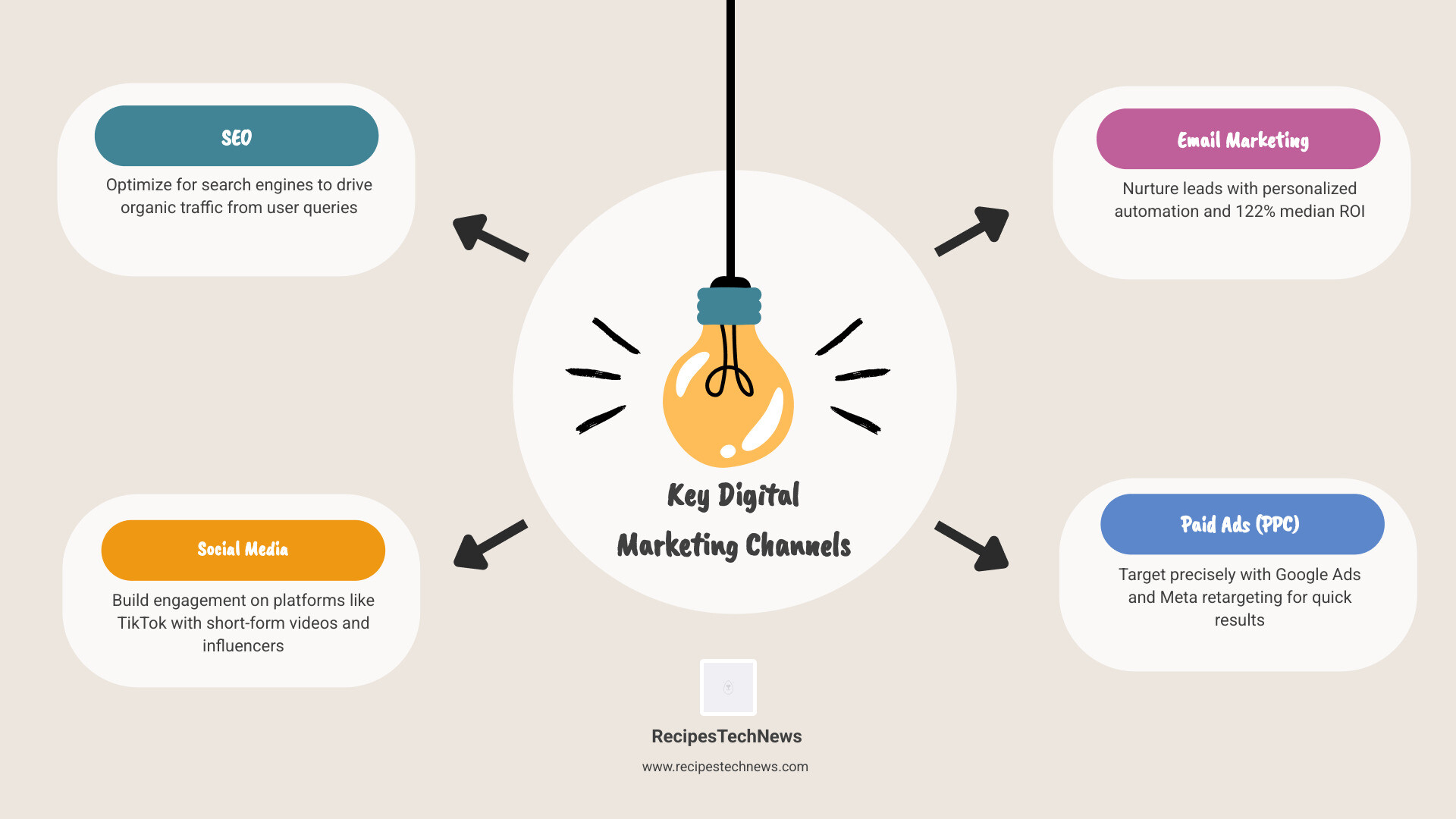
- Key channels: SEO, social media, email, paid ads, and content marketing
- Why it matters: Over 5 billion people are online globally — your audience is already there
- Who needs it: Entrepreneurs, creators, small business owners, and career changers alike
- How hard is it: Most beginners can build job-ready skills in 2-3 months with structured practice
Think about the last big purchase you made. Chances are you started with a Google search, read some reviews, maybe checked social media, and then made a decision. That entire journey is digital marketing in action.
The good news? You don’t need a degree or a big budget to get started. All it takes is a clear understanding of the basics, the right tools, and a willingness to learn one step at a time.
This guide walks you through everything — from core concepts to real strategy — in plain language.
What is Digital Marketing for Beginners?
At its simplest, digital marketing is just marketing adapted for the modern age. We use it to connect with prospects where they already spend their time: on the internet. Whether it’s through a smartphone (which 77% of Americans now own) or a laptop, digital marketing encompasses all promotional efforts that happen on an electronic device.
According to Digital Marketing Made Simple: The Complete Beginner’s Guide, this field is about leveraging online tactics to reach a global audience. While “online marketing” specifically requires the internet, “digital marketing” is an umbrella term that also includes things like SMS, digital billboards, and even television.
B2B vs. B2C Dynamics
How we use these tools depends on who we are talking to.
- B2B (Business-to-Business): These cycles are longer and logic-driven. We focus on building relationships and providing deep educational value to help stakeholders make informed decisions.
- B2C (Business-to-Consumer): These are often emotion-driven and faster. We focus on urgent messaging, lifestyle benefits, and quick “tap-to-buy” experiences.
Why Digital Beats Traditional Marketing
In the past, you might have bought a billboard or a radio ad. Today, we prefer digital for several reasons:
| Feature | Traditional Marketing | Digital Marketing |
|---|---|---|
| Cost | High (Print/TV/Radio) | Scalable (Fits any budget) |
| Tracking | Guesswork & Estimates | Real-time, precise data |
| Reach | Local/Physical | Global & Instant |
| Targeting | Broad (Spray and pray) | Laser-focused (Demographics & Interests) |
By using digital marketing for beginners, we can see exactly how many people clicked an ad, how long they stayed on our site, and exactly what they bought. It turns marketing from a “gut feeling” into a measurable science.
Core Channels and the Buyer’s Journey
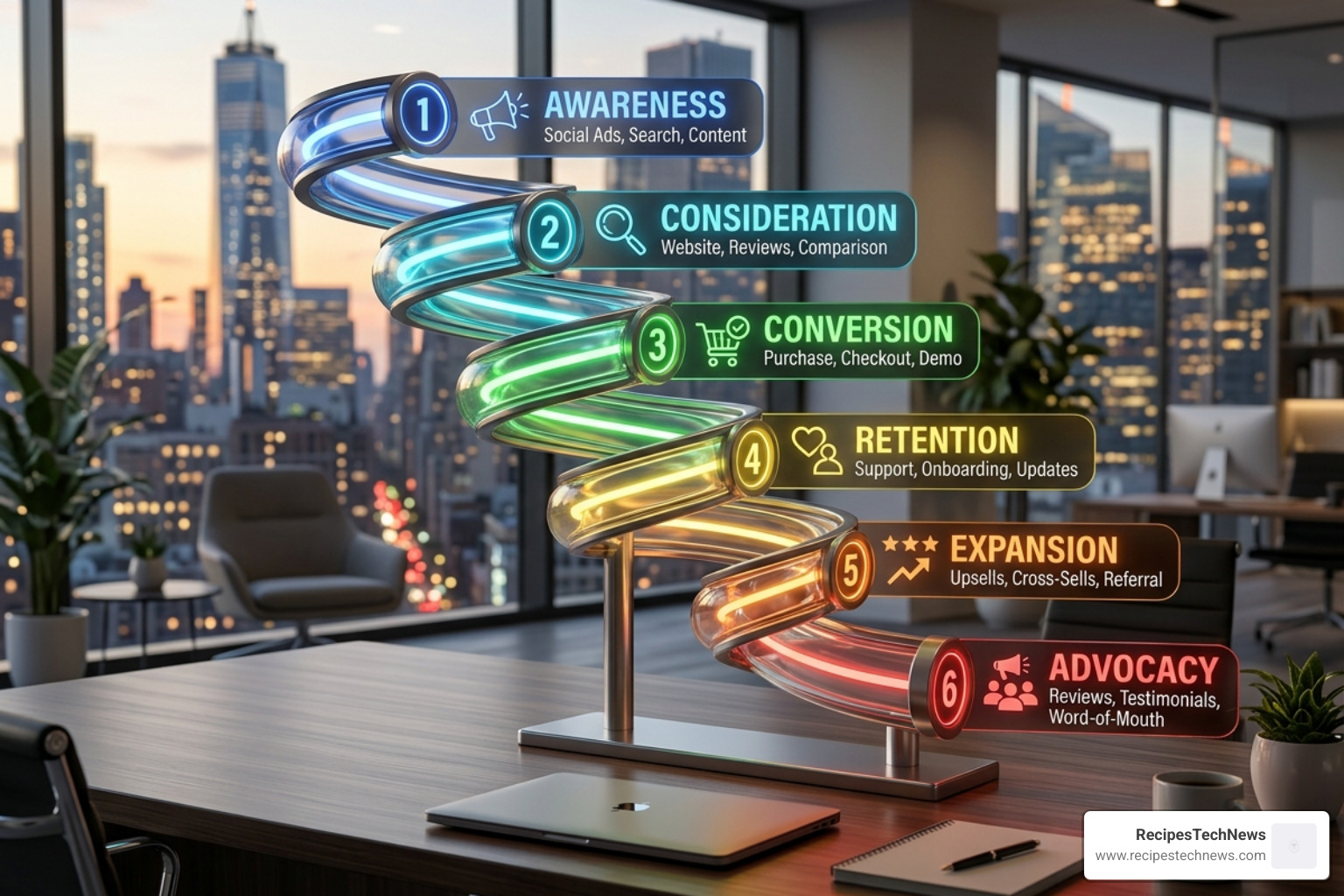
To succeed, we need to understand the path a customer takes from being a total stranger to a loyal fan. This is often called the sales funnel or the “Customer Value Journey.”
- Exposure/Awareness: The customer discovers we exist (via SEO or social media).
- Discovery/Consideration: They learn more about our solutions (via blogs or webinars).
- Decision/Conversion: They make a purchase (via email offers or targeted ads).
- Relationship/Retention: We keep them happy so they buy again.
- Advocacy: They tell their friends about us.
Inbound vs. Outbound Marketing
We generally use two approaches to move people through this funnel:
- Inbound Marketing: This is “permission-based.” We create helpful content that attracts people naturally. It’s like being a magnet.
- Outbound Marketing: This is “interruption-based.” We place ads in front of people while they are doing something else (like YouTube pre-roll ads). It’s like being a megaphone.
Search Engine Optimization (SEO) for Beginners
Did you know that 68% of online experiences start with a search engine? SEO is the art of making our website show up when someone types a query into Google.
Search engines use “crawler bots” to index the web. To rank well, we focus on:
- Keyword Research: Finding the exact words our audience uses.
- On-page Optimization: Making sure our titles, headers, and images are clear and relevant.
- Backlinks: Getting other reputable sites to link to ours, which acts as a “vote of confidence.”
As noted in What Is Digital Marketing? A Complete Beginner’s Guide 2025, modern SEO is less about “gaming the system” and more about matching user intent—providing the best possible answer to the user’s question.
Social Media and Content Marketing
Content marketing is a massive industry, projected to be worth $107 billion by 2026. It’s the “fuel” for all our other channels. Whether it’s a blog post, a podcast, or a short-form video, great content builds trust.
Social media allows us to distribute that content and engage directly with our community. Currently, platforms like TikTok are seeing engagement rates of nearly 16%, making short-form video one of the most powerful tools in our arsenal. The key is to provide value first—entertain or educate before you try to sell.
Email Marketing and Paid Advertising (PPC)
Email marketing remains the “king of ROI,” with a median return on investment of 122%. That’s $36 to $45 back for every $1 spent! We use lead magnets (like a free eBook or a discount code) to get people onto our list, then use automation to nurture them over time.
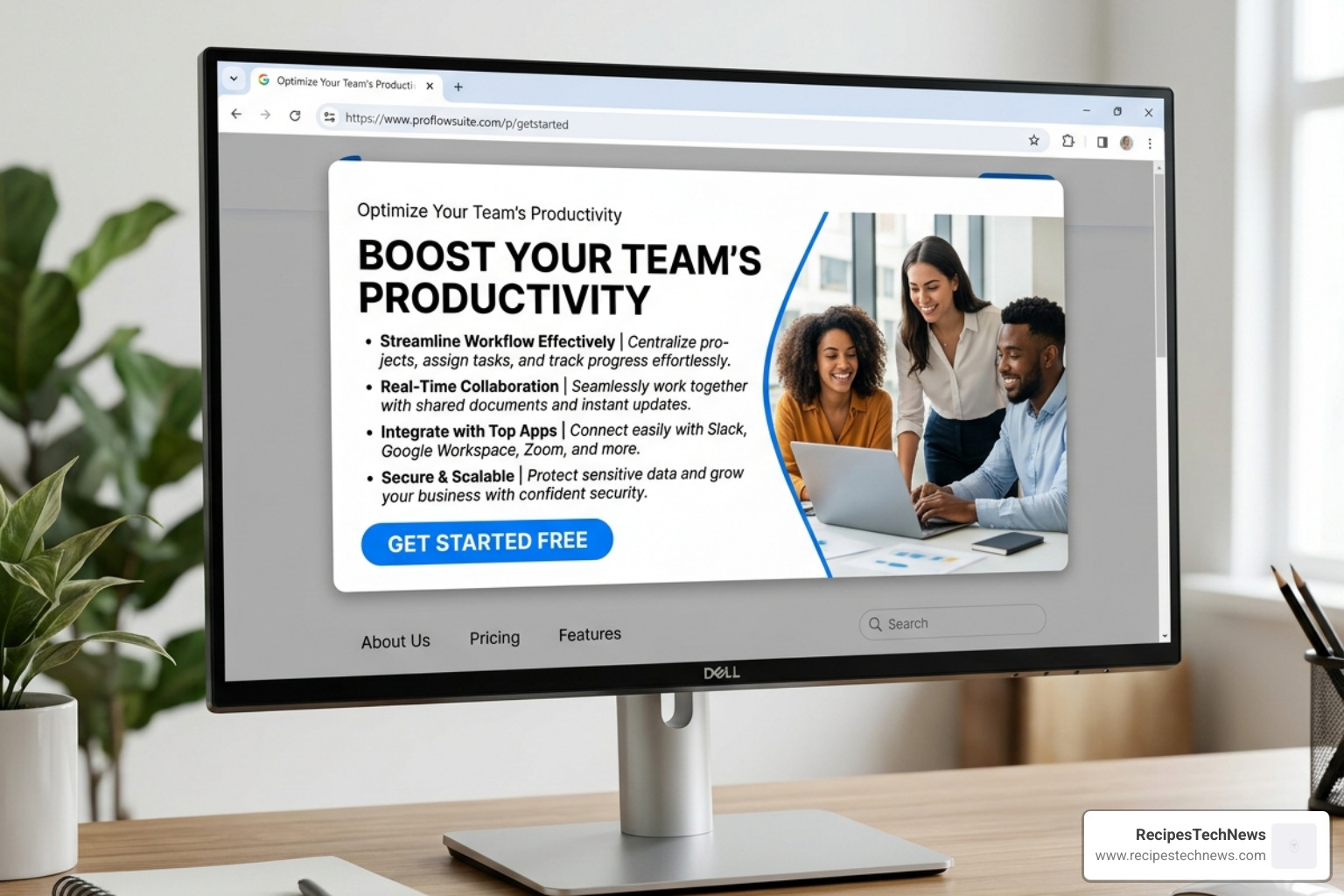
On the other hand, PPC (Pay-Per-Click) allows us to buy our way to the top of search results or social feeds. Platforms like Google Ads and Meta Ads use a “Quality Score” system—the more relevant your ad is to the user, the less you have to pay for the click.
How to Launch Your Digital Strategy in 2026
Starting can feel overwhelming, but we recommend a structured approach. Don’t try to master every channel at once; pick two or three where your audience lives.
- Set SMART Goals: Make them Specific, Measurable, Achievable, Relevant, and Time-bound. (e.g., “Get 500 new email subscribers by July.”)
- Define Buyer Personas: Who is your ideal customer? What are their pain points? What platforms do they use?
- Create a Content Calendar: Consistency is the secret sauce. Plan your posts and emails at least a month in advance.
- Optimize for Mobile: With over 95% of users accessing the internet via mobile, your website must look great on a smartphone.
- Allocate Your Budget: Start small. Use a percentage of your revenue for variable costs like ads, and keep some aside for tools.
As suggested in Digital Marketing: What It Is and How to Get Started, looking at what your competitors are doing can provide a great baseline for your own strategy.
Essential Skills and Digital Marketing for Beginners Tools
To thrive in this field, we need to balance “soft” skills with technical fluency.
- Core Skills: Data storytelling (explaining what the numbers mean), copywriting (writing to persuade), and basic graphic design.
- The Beginner’s Tech Stack:
- Analytics: Google Analytics 4 & Looker Studio
- SEO: Semrush or Ahrefs
- Email: Mailchimp or HubSpot
- Social: Hootsuite or Buffer
- Design: Canva (a lifesaver for non-designers!)
Recommended Certifications and Learning Paths
If you want to turn these skills into a career, certifications are the gold standard for building credibility.
- Google Digital Marketing & E-commerce Professional Certificate: Boasts a 4.8-star rating from 49K reviews. It’s perfect for foundational knowledge.
- Meta Social Media Marketing Professional Certificate: Excellent for mastering the Facebook and Instagram ecosystems.
- CourseCareers: A great option for those looking for structured, practice-heavy training to get job-ready in a few months.
The best way to learn is by doing. We recommend starting a “practice campaign”—even if it’s just for a personal blog—to build a portfolio that shows you can actually execute.
Measuring Success and Avoiding Common Pitfalls
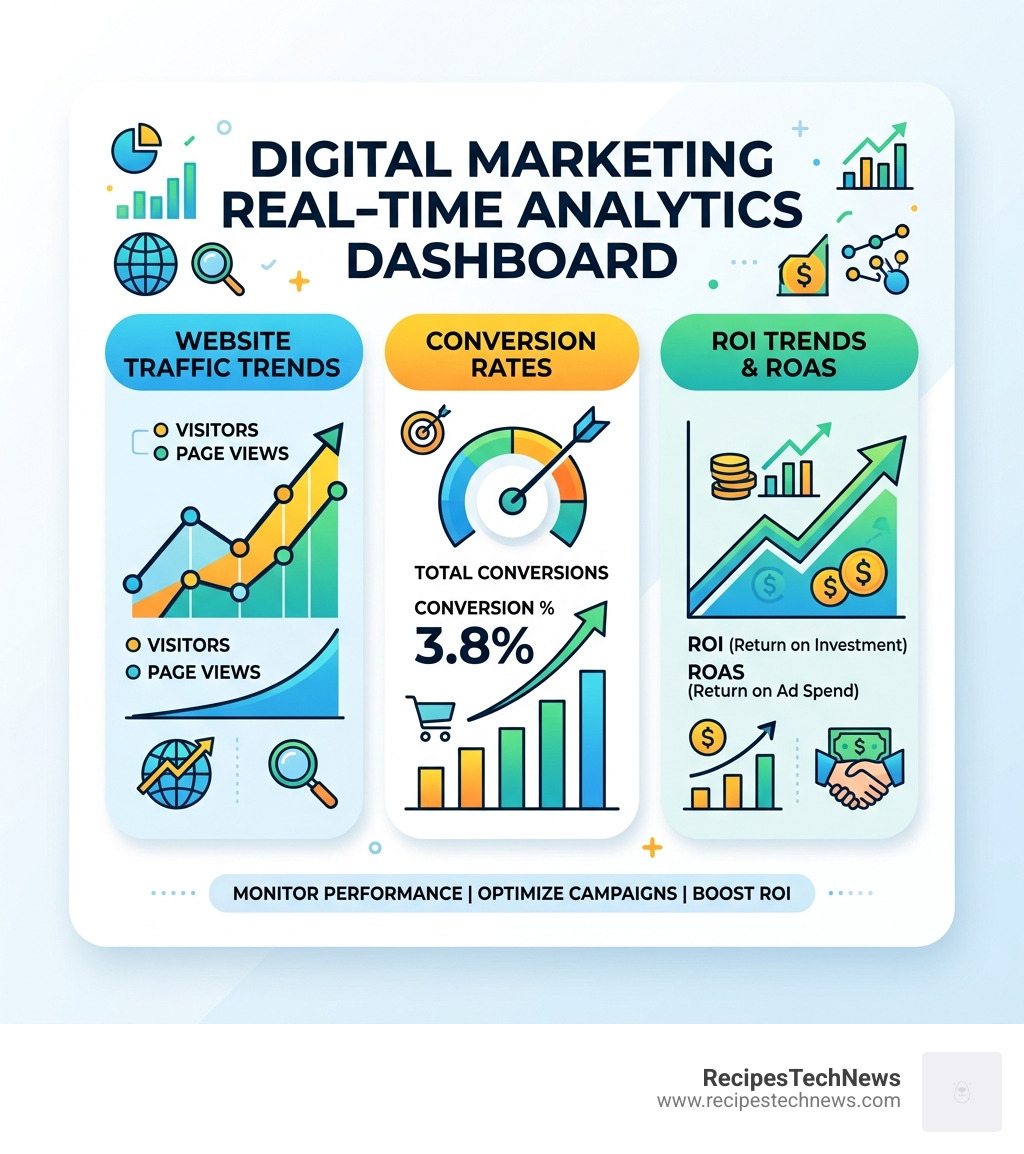
In digital marketing, if you can’t measure it, it didn’t happen. We use Key Performance Indicators (KPIs) to see if we are winning.
- Conversion Rate: The percentage of visitors who take the desired action.
- ROAS (Return on Ad Spend): How much revenue we make for every dollar spent on ads.
- CAC (Customer Acquisition Cost): How much it costs us to “buy” one new customer.
Common Mistakes in Digital Marketing for Beginners
We see beginners make these mistakes all the time—but you don’t have to:
- Fragmented Learning: Jumping from one YouTube tutorial to another without a plan. Stick to a structured course.
- Chasing “Shiny Objects”: Trying every new platform that launches. Master the fundamentals first.
- Ignoring Data Privacy: In 2026, GDPR and data compliance are non-negotiable. Always be transparent about how you use customer data.
- Lacking Consistency: Posting ten times in one week and then disappearing for a month.
- Selling Too Hard: If your social media is just a series of “Buy Now” posts, people will tune you out. Serve value first!
Frequently Asked Questions about Digital Marketing
How long does it take to learn digital marketing as a complete beginner?
Most beginners can develop job-ready competency in 2 to 3 months through structured daily practice. It’s about building “muscle memory” with platforms like Google Ads and Meta Business Suite. You don’t need to be a “tech genius,” just consistent.
Do I need a marketing degree to get started?
Absolutely not. Many entry-level roles today prioritize skills and certifications over a four-year degree. Employers care more about your portfolio and your ability to navigate a dashboard than your diploma.
What are the most important trends to watch in 2026?
- Generative AI: Using tools like ChatGPT to personalize content at scale.
- Voice Search: Optimizing for people asking Alexa or Siri for help.
- Video-First Strategies: Short-form video continues to dominate engagement.
- Sustainability Marketing: Consumers in 2026 want to buy from brands that align with their values.
Conclusion
At RecipesTechNews, we believe that the fusion of technology and lifestyle is the future. Digital marketing is the bridge that connects your unique message to the people who need to hear it. Whether you’re sharing a gadget review or a family recipe, these digital tools give you a voice in a crowded world.
The digital landscape is always changing, but the fundamentals—building trust, providing value, and measuring results—remain timeless. Don’t be afraid to start small, make mistakes, and keep learning.
Ready to take the next step? Start your digital journey with the latest tech insights and stay ahead of the curve with our expert guides. The future is digital, and we’re here to help you navigate it.