Why the Latest Technology Updates in Computer Science Matter in 2026
The latest technology updates in computer science are reshaping nearly every corner of daily life — from how food is grown and distributed to how doctors diagnose illness and how software gets written.
Here is a quick snapshot of the biggest computer science advances right now:
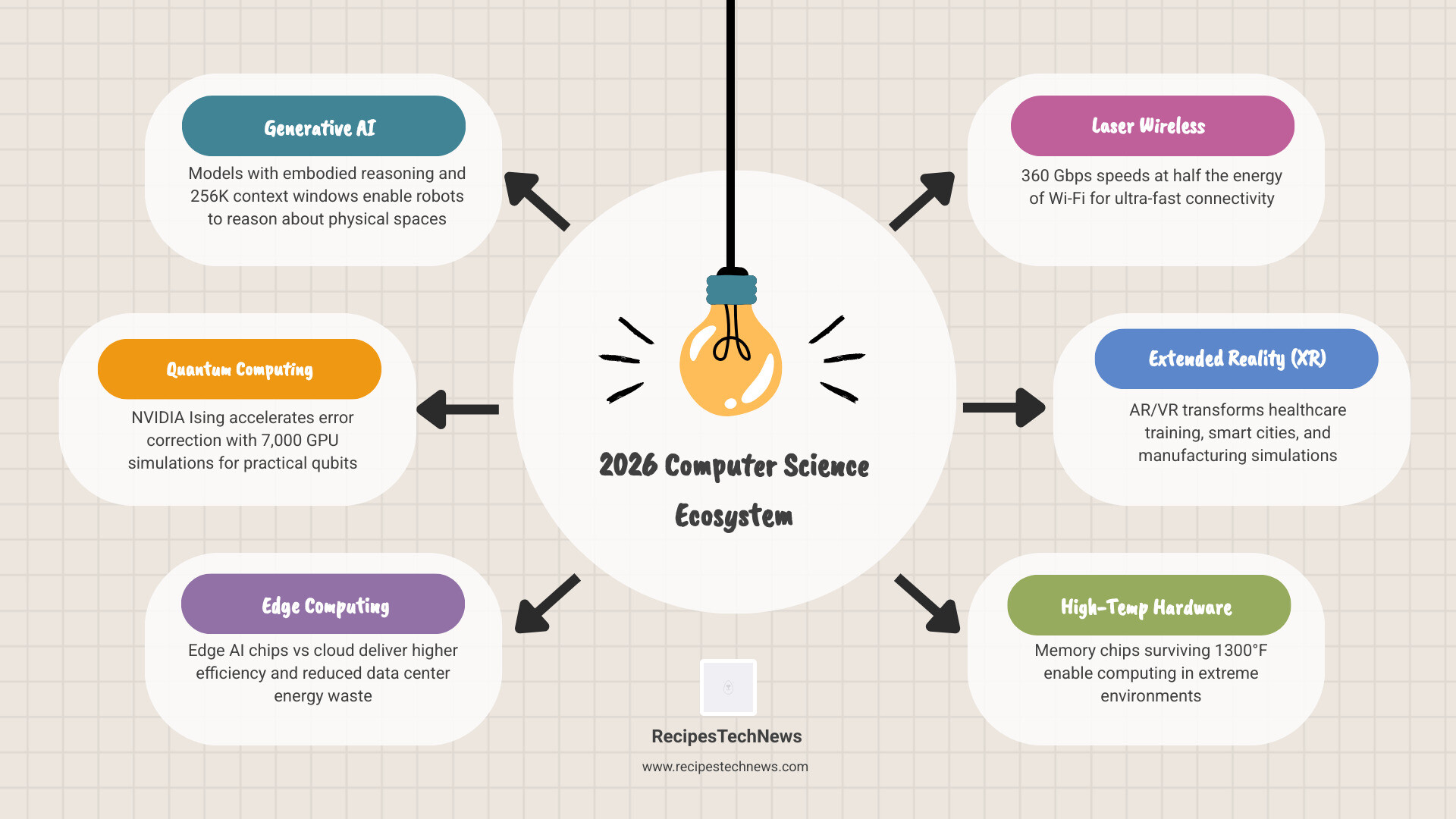
- Generative AI and Embodied Reasoning — Models like Gemma 4 outcompete systems 20x their size, while robots gain real spatial reasoning skills
- Quantum Computing — NVIDIA’s Ising models deliver 2.5x faster error correction; the quantum market is on track to exceed $11 billion by 2030
- Laser-Powered Wireless — 360 Gbps speeds at half the energy of standard Wi-Fi
- Edge AI Chips — New chip designs slash data center energy waste by rethinking GPU power conversion
- AI in Competitive Programming — GrandCode became the first AI to beat all humans in live coding contests in early 2026
- Extended Reality (XR) — AR and VR are transforming healthcare training, retail, and manufacturing
- Post-Quantum Cryptography — Security systems are being hardened against future quantum threats
- 5G at Scale — Peak download speeds of 10 Gbps are enabling smarter cities and faster telemedicine
- Advanced Robotics — Google DeepMind’s Gemini Robotics-ER 1.6 lets robots read industrial gauges and reason about physical spaces
- High-Temperature Hardware — New memory chips survive temperatures above 1300°F, opening doors for extreme-environment computing
The pace of change is genuinely hard to overstate. Jensen Huang, NVIDIA’s CEO, put it plainly: “AI is essential to making quantum computing practical.” That single idea captures where computer science is heading — fields that once operated in silos are now deeply intertwined.
Whether you care about smarter kitchen gadgets, faster food supply chains, or simply staying informed, understanding these shifts matters. This guide breaks down the most important developments in plain language, no PhD required.
Top 10 Emerging Technologies and Latest Technology Updates in Computer Science
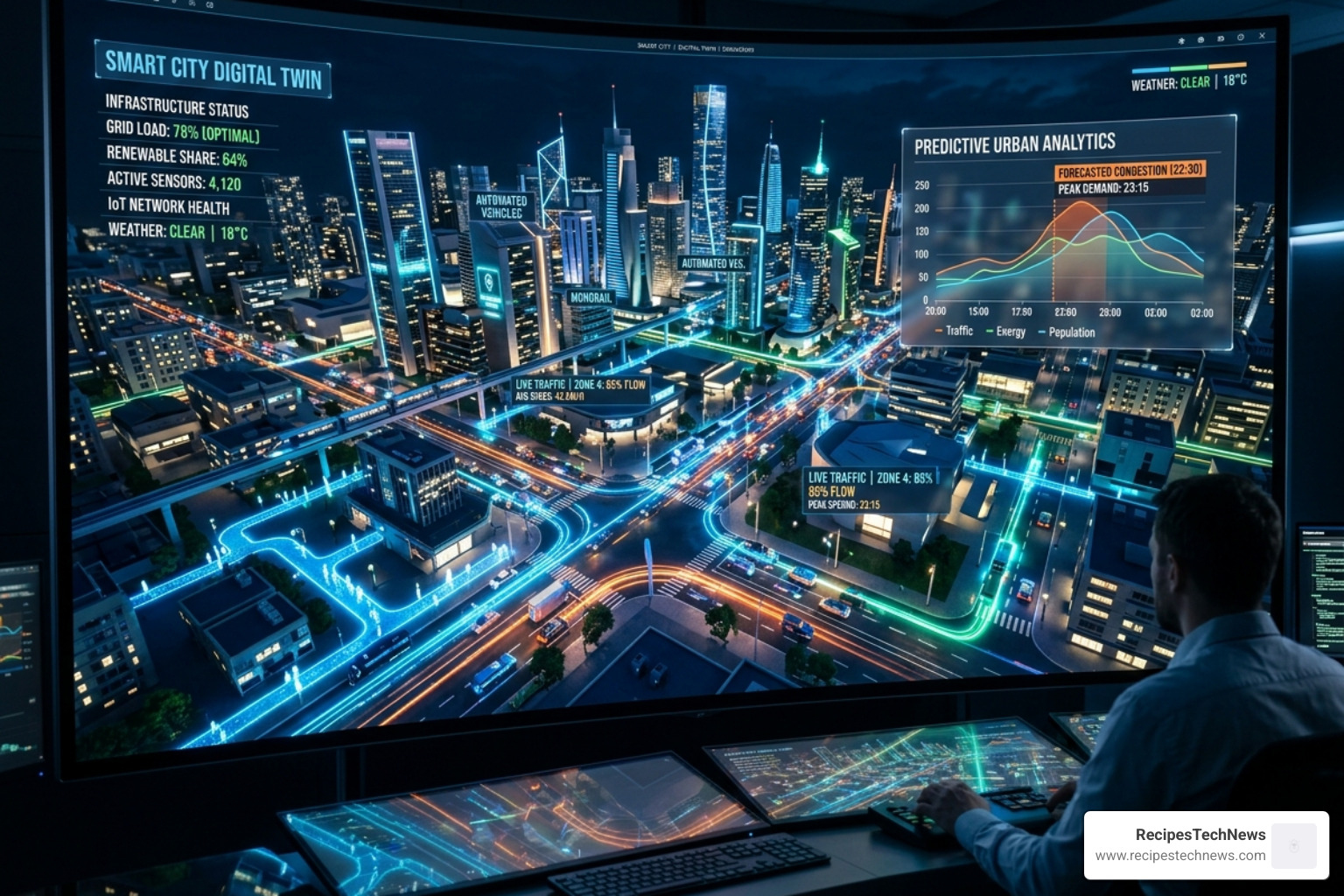
As we navigate through 2026, the lines between the digital and physical worlds are blurring. We are no longer just looking at screens; we are interacting with “Digital Twins” — virtual models that sync perfectly with real-world data to optimize everything from city traffic to factory floors. For instance, the Los Angeles Department of Transportation is currently using a digital twin to manage micro-mobility and ride-sharing services in real-time.
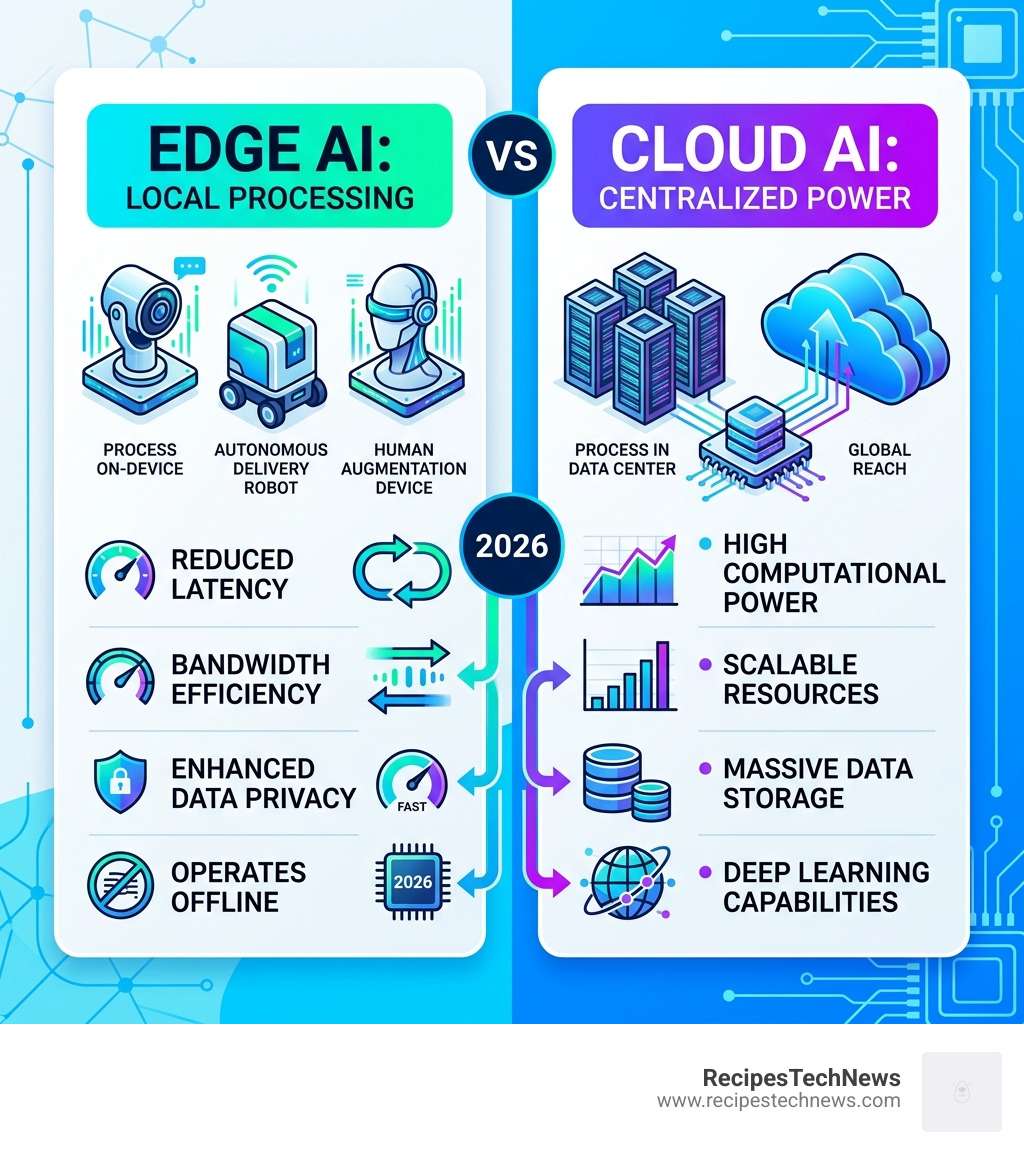
One of the most significant shifts we’ve seen is the rise of Edge Computing. By processing data closer to where it’s actually generated — like on a smart camera or an industrial sensor — we reduce latency and save massive amounts of bandwidth. This is the backbone of the Autonomous Vehicles and Human Augmentation devices we see hitting the market this year.
In open-source software, the release of Gemma 4: The most capable open models to date has changed the game. These models prioritize “intelligence-per-parameter,” meaning they can run on your laptop or even a high-end smartphone while outperforming massive models from just a year ago.
Generative AI and Embodied Reasoning
We’ve moved past AI that just “chats.” Today, we are witnessing the era of Embodied Reasoning. This is where AI understands the physical world. A prime example is how DeepMind launches Gemini Robotics-ER 1.6 to meet precise physical AI demands, allowing robots to perform complex tasks like reading analog pressure gauges or navigating cluttered warehouses with human-like intuition.
These systems use agentic workflows, where the AI doesn’t just give an answer; it plans a series of actions, executes them, and checks its own success. With 256K context windows, these models can “remember” and process the equivalent of several thick technical manuals in a single go, making them incredibly effective for industrial troubleshooting.
Quantum Computing Breakthroughs and Stability
Quantum computing has reached its “transistor moment.” It’s no longer just a lab experiment. NVIDIA Launches Ising to Accelerate Useful Quantum Computers, providing open AI models that handle the “noise” and errors that used to plague quantum systems.
We are seeing simulations so complex they require 7,000 GPUs to model a single tiny quantum chip. This level of detail has led to breakthroughs like Ising Calibration, which reduces the time needed to tune a quantum processor from days to just a few hours. Scientists have even discovered that quantum systems can “remember and forget” at the same time, depending on how we observe them — a paradox that is being harnessed for new types of ultra-secure memory.
Solving Real-World Challenges with 5G, Blockchain, and XR
The latest technology updates in computer science aren’t just for show; they are solving “unsolvable” problems. With 5G networks now delivering peak speeds of 10 Gbps, we can finally support massive IoT ecosystems. This connectivity is vital for everything from remote surgery to ensuring your Essential Smart Kitchen: Smart Devices are perfectly synced for energy efficiency.
Industry-Specific Latest Technology Updates in Computer Science
In 2026, industries are being transformed:
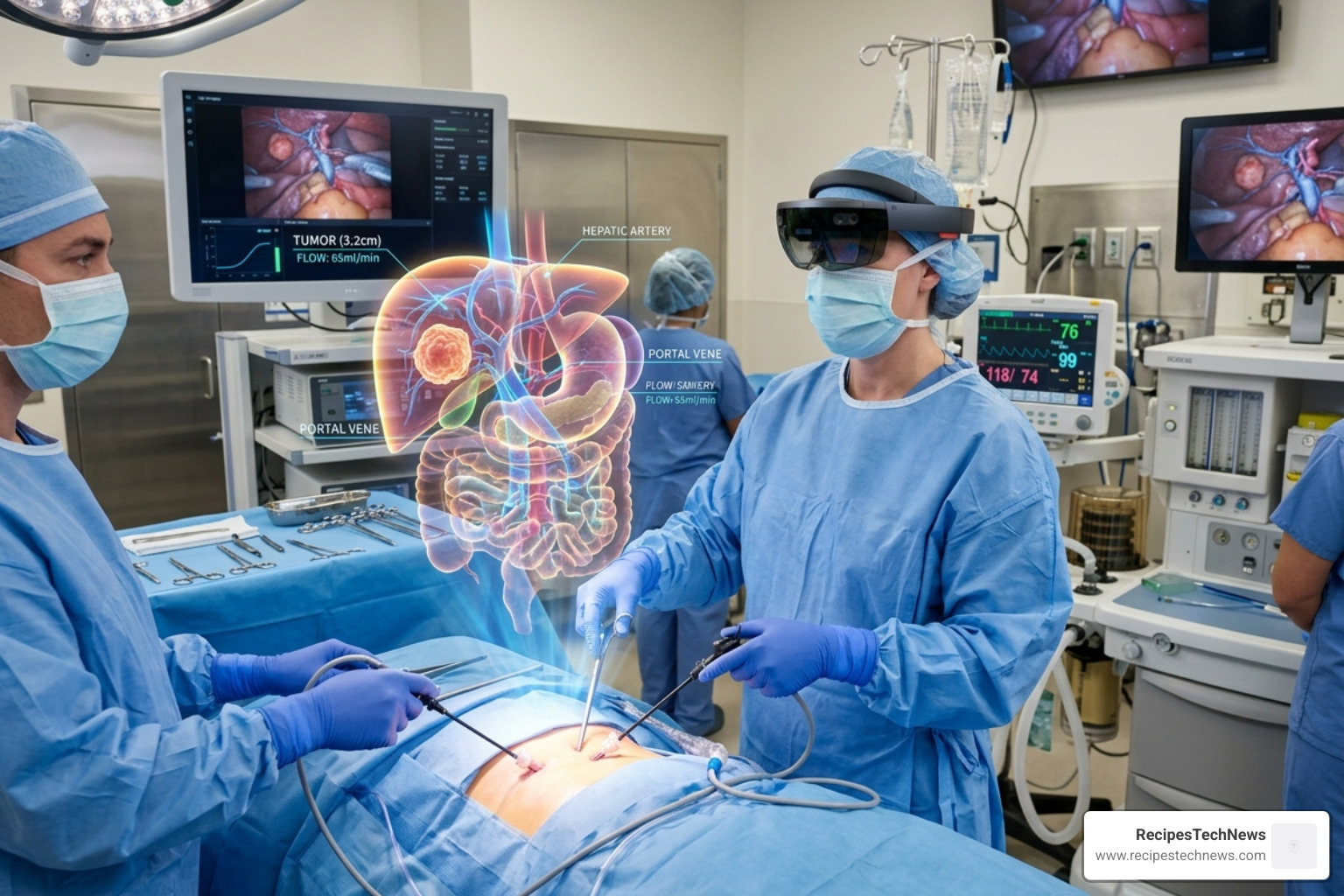
- Healthcare: Telemedicine has evolved into “Tele-presence,” where surgeons use XR (Extended Reality) to practice complex operations on patient-specific digital twins before making a single incision.
- Manufacturing: MIT researchers have developed AI that manages “robot traffic” in warehouses, preventing the congestion that used to slow down automated fulfillment centers.
- Retail & Fashion: Even luxury brands are getting involved. Gucci has recently made smart glasses “less nerdy” by integrating Android XR, proving that wearable tech can be both functional and fashionable.
- Robotics: The Gemini Robotics ER 1.6: Enhanced Embodied Reasoning update allows robots to identify objects with “relational logic” — for example, a robot can now understand the command: “Find all items small enough to fit inside this blue cup.”
Security and Efficiency in Modern Systems
As computers get faster, so do the hackers. That’s why Post-quantum cryptography is the new gold standard for security. We are moving toward systems that even a future quantum computer couldn’t crack.
Furthermore, Software-defined networking (SDN) and 5G network slicing allow companies to create “private” lanes on the internet for sensitive data, ensuring that a surge in Netflix streaming doesn’t slow down a hospital’s emergency data feed. We’ve also seen the update of the SWEBOK V4.0 (Software Engineering Body of Knowledge), which now officially integrates Agile and DevOps as core requirements for any modern system.
Hardware Innovations: From Laser Wireless to High-Temp Chips
While software gets all the headlines, the hardware of 2026 is equally mind-blowing. Imagine wireless internet that doesn’t use radio waves but lasers. Laser-powered wireless has now achieved speeds of 360 Gbps while using only half the energy of traditional Wi-Fi.
We’ve also seen the creation of the world’s smallest QR code — it’s literally smaller than a bacterium and can only be seen through an electron microscope. This isn’t just a gimmick; it’s used for tracking microscopic components in high-end electronics.
Sustainable Computing and Energy Efficiency
Data centers have historically been energy hogs, but new GPU power conversion techniques are changing that. By using piezoelectric components (materials that generate electricity when stressed), engineers at UC San Diego have designed chips that slash energy waste by rethinking how power flows into the processor.
We are also seeing Petahertz phototransistors that use light instead of electricity to switch on and off, potentially making future computers thousands of times faster and more efficient than today’s silicon-based machines.
Breakthrough Research from MIT and ScienceDaily
The academic world continues to push boundaries. MIT researchers have developed “wireless vision” systems that use Wi-Fi signals to see through walls and obstructions, which is a game-changer for search-and-rescue teams.
In the realm of physics, THOR AI recently solved a 100-year-old physics problem involving tensor networks in mere seconds. Perhaps most impressively, the GrandCode: Achieving Grandmaster Level in Competitive Programming research paper details how AI has finally surpassed the world’s best human coders in live, high-stakes competitions.
Career Opportunities and Required Skills in the 2026 Tech Landscape
With all these latest technology updates in computer science, the job market is shifting. We aren’t just looking for “programmers” anymore; we need Quantum Software Engineers and IoT Architects. If you’re looking for a career change, our Blogs section has deep dives into how to transition into these high-paying roles.
High-Demand Roles and Required Skills
- AI Engineers: Specifically those who understand NLP (Natural Language Processing) and multimodal models.
- Blockchain Developers: With salaries reaching up to Rs 20 lakh per year (and often much higher in the US/EU), this remains a lucrative field for those who can build secure, decentralized systems.
- Cybersecurity Experts: Focused on “Zero Trust” architectures and post-quantum encryption.
- Cloud & DevOps: Knowledge of containerization (like Docker and Kubernetes) is no longer “extra” — it’s a foundational skill.
Beyond technical skills, technical communication is more important than ever. You need to be able to explain to a CEO why a digital twin is worth the investment or how a quantum error-correction update will save the company millions.
Frequently Asked Questions about Computer Science Advancements
What are the latest technology updates in computer science for 2026?
The year 2026 is defined by the convergence of AI and the physical world. Key updates include Gemma 4‘s efficient open-source AI, Gemini Robotics-ER 1.6 for embodied reasoning, NVIDIA Ising for quantum error correction, and laser-powered wireless reaching 360 Gbps. We are also seeing the first widespread use of post-quantum cryptography to protect global financial systems.
How is AI improving healthcare and environmental monitoring?
AI is now used to predict heart failure worsening up to a year in advance using deep-learning models. In environmental science, AI systems are simulating the Milky Way and tracking fish populations in the ocean with “citizen science” data, while generative AI analyzes medical data faster than any human team could dream of.
What are the ethical risks of advanced robotics and quantum computing?
The risks are significant. As AI like GrandCode begins to outperform humans in coding, we face questions about the future of work. Quantum computing also poses a “security flaw” risk; if a bad actor gets a stable quantum computer before the world switches to post-quantum encryption, current passwords and bank security could become useless overnight. Ethical robotics also requires strict “safety instruction following” to ensure autonomous machines don’t cause physical harm in crowded environments.
Conclusion
The future of computer science in 2026 is one of scalability and integration. We are moving away from isolated gadgets and toward a world where every device — from your smart fridge to an industrial robot — is part of a massive, intelligent, and energy-efficient ecosystem.
Trends from the IEEE and MIT suggest that the next few years will focus on making these technologies even more accessible and sustainable. At RecipesTechNews, we’re excited to see how these advancements will continue to blend into our lifestyle, making our homes smarter and our work more meaningful.
To stay ahead of the curve and find more guides like this one, Explore more tech insights at RecipesTechNews. The world is changing fast, and we are here to help you make sense of it all!