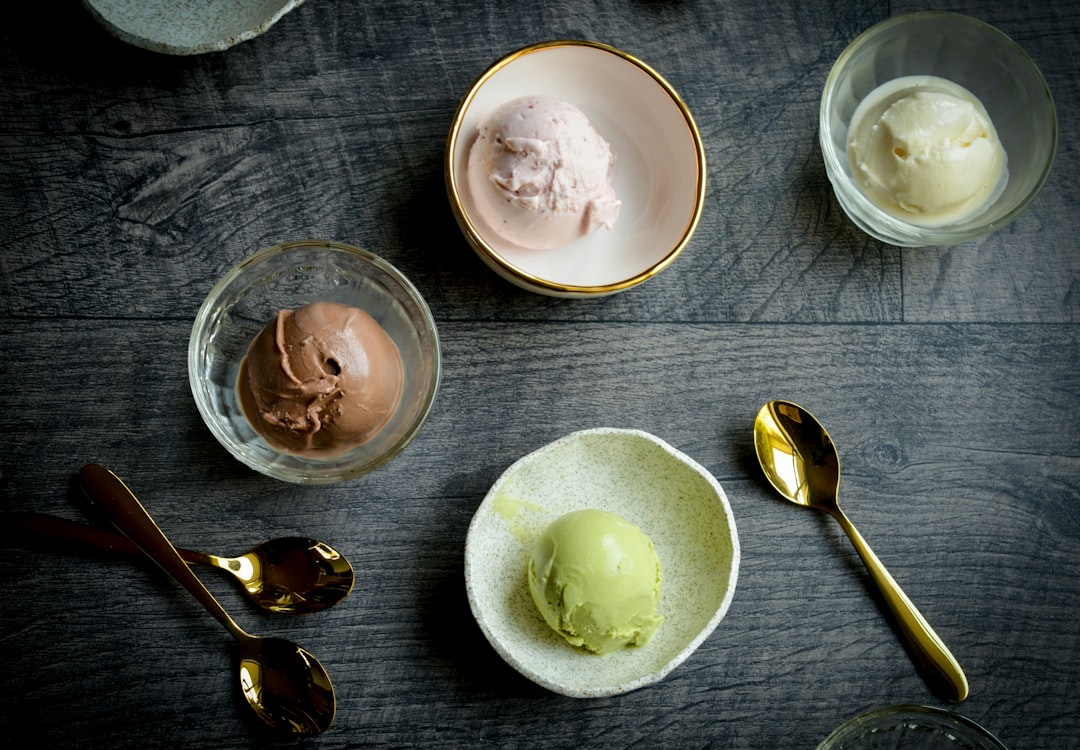
Why Blender Ice Cream Hacks Are Changing Home Dessert Making
Blender ice cream hacks let you make creamy, delicious ice cream at home in as little as 60 seconds — no ice cream maker required.
Here’s what you need to know right away:
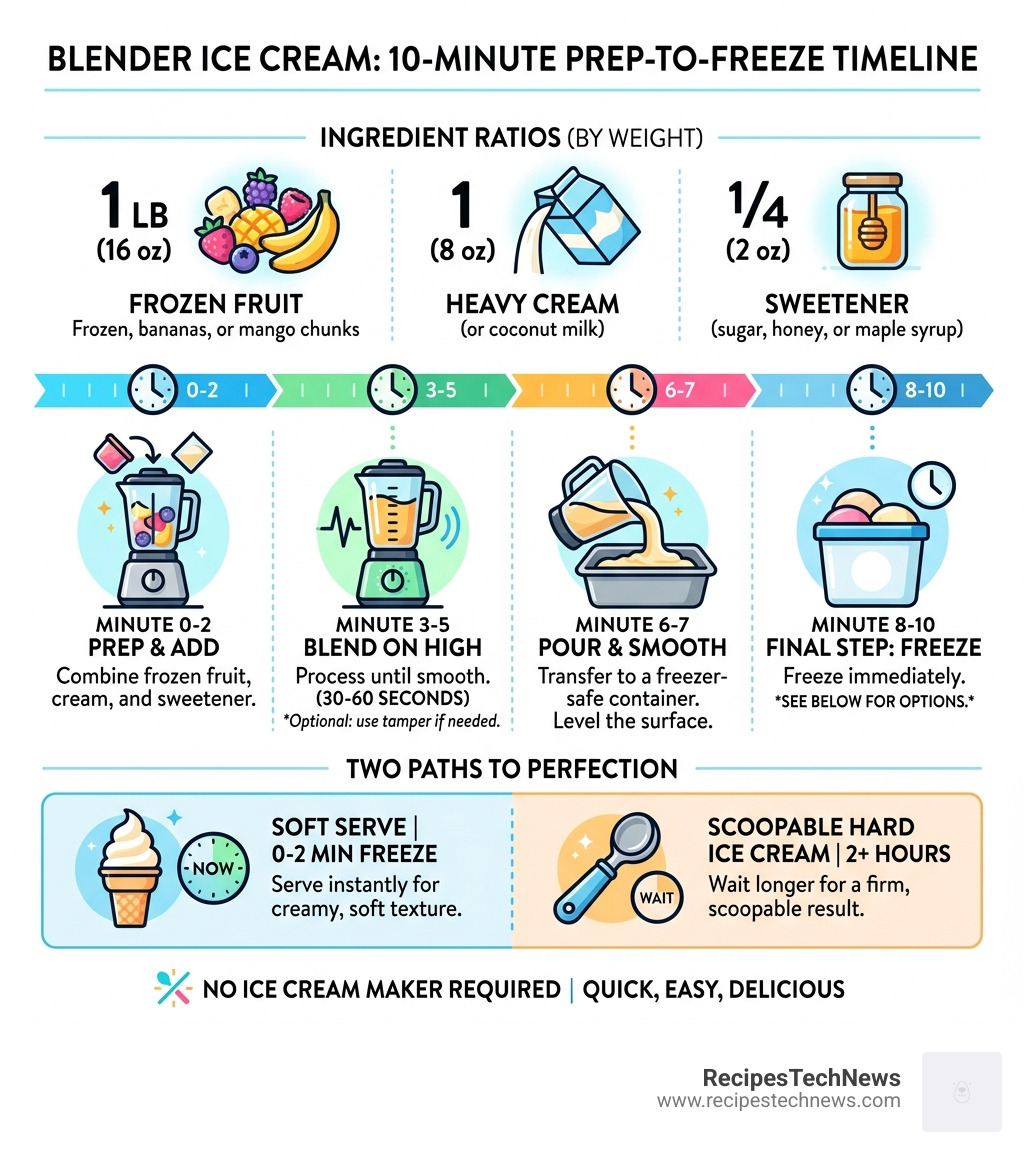
- Fastest method: Blend 1 lb frozen fruit + 1 cup heavy cream + 1/4 cup sweetener on high for 30-60 seconds → instant soft serve
- Firmest result: Pour blended mix into a loaf pan, freeze 2+ hours → scoopable hard ice cream
- Minimum ingredients: Just 3 (frozen bananas, a fat source, and a sweetener)
- Total active prep time: Under 10 minutes
- Storage life: Up to 3 months in an airtight container
Most people think homemade ice cream means expensive machines, long waits, and complicated steps. It doesn’t.
Your blender — especially a high-speed model — can do nearly everything an ice cream maker does. The secret is understanding how frozen ingredients, fat content, and blending technique work together.
Whether you want a 60-second soft serve on a hot afternoon or a rich, scoopable dessert ready for a dinner party, there’s a blender method that fits. This guide covers all of them.
The Science of Blender Ice Cream Hacks
At RecipesTechNews, we love where culinary art meets kitchen engineering. Traditional ice cream makers work by slowly churning a liquid base while simultaneously chilling it. This process incorporates air (known as “overrun”) and prevents large ice crystals from forming, resulting in that smooth, velvety mouthfeel we crave.
Blender ice cream hacks achieve a similar result using a different mechanical path. Instead of slow churning, we use high-velocity blades to pulverize frozen ingredients into microscopic particles. This rapid processing provides instant aeration. By using frozen fruit or pre-frozen “ice cream cubes,” we bypass the hours of churning required by traditional machines.
The “no-churn” blender method is essentially a race against friction. Blenders generate heat, so the hack lies in using ingredients cold enough to withstand the motor’s energy while still being whipped into a stable foam. For a deeper dive into achieving the right consistency for all your blended creations, check out The Ultimate Guide to Silky Smooth Blender.
Pro Tips for Blender Ice Cream Hacks
To move from “smoothie” territory into true ice cream, we need to respect the chemistry of the bowl. Here are our top professional insights:
- Fat is Your Friend: Fat molecules coat ice crystals, preventing them from clumping together. This is why heavy cream or full-fat coconut milk yields a better texture than skim milk. Aim for a butterfat content between 12% and 20% for the most luxurious results.
- The Frozen Fruit Foundation: If you aren’t using a dairy base, frozen fruit is your structural engineer. Bananas are the gold standard because of their high pectin and sugar content, which creates a “chewy” rather than “icy” texture.
- Order of Operations: Always place your liquids at the bottom of the blender. This allows the blades to create a vortex that pulls the heavy frozen chunks down.
- Speed Management: Start on the lowest setting to break up the large chunks for about 15 seconds, then quickly ramp up to medium-high or high for the final 30-45 seconds. This prevents the motor from overheating your dessert.
The 3-Ingredient Formula and Essential Equipment
You don’t need a lab full of gadgets, but the right tech makes a difference. A high-speed blender (like a Vitamix or a high-wattage Ninja) is the MVP here. These machines have the torque necessary to crush solid frozen fruit without needing excessive liquid, which would turn your ice cream into a milkshake.
One essential tool often overlooked is the tamper. This plastic rod allows you to push ingredients into the blades safely while the motor is running. If your blender didn’t come with one, you’ll need to stop and scrape the sides every 10 seconds to ensure an even blend.
For the ultimate 3-ingredient base, follow this verified ratio:
- 1 Pound Frozen Fruit: (e.g., bananas, strawberries, or mango).
- 1 Cup Creamy Liquid: (Heavy whipping cream, full-fat canned coconut milk, or evaporated milk).
- 1/4 Cup Sweetener: (Honey, maple syrup, or cane sugar).
Research shows that sweeteners typically make up 12% to 16% of the total composition in professional ice cream. This isn’t just for taste; sugar lowers the freezing point, which keeps the scoop soft. For more recipe inspiration, see Make Creamy Blender Ice Cream: Easy Homemade Recipes.
Achieving a Hard Scoop Texture
While the blender produces instant soft serve, sometimes we want that classic “hard scoop” experience. To achieve this, you need a post-blend freezing strategy.
Transfer your mixture into a chilled metal loaf pan. Using metal is a great tech hack because it conducts cold faster than glass or plastic. Press a piece of parchment paper or plastic wrap directly onto the surface of the ice cream before sealing the container. This prevents “freezer burn” and the formation of crunchy ice crystals on top. A 2-hour freeze is usually enough for a firm set, but overnight is best for long-term storage.
Step-by-Step Guide to Instant Soft Serve

If it’s a Tuesday night in April 2026 and you need a dessert fix now, the instant soft-serve method is your best friend.
- Prep Your Base: If you aren’t using frozen fruit, use the “Ice Cube Hack.” Pour your liquid ice cream base into ice cube trays and freeze overnight.
- Load the Blender: Add 1/2 cup of liquid (to help the blades) followed by your frozen cubes or 1 pound of frozen fruit.
- The Pulse Technique: Use the pulse feature 5-10 times to break the cubes into “pebbles.”
- The High-Speed Blur: Turn the blender to high. Use your tamper to push the frozen mass into the blades. Watch for the “Four Mounds” — a visual cue where the mixture folds over itself into four distinct quadrants. This indicates the perfect aeration has been reached.
- Serve Immediately: The friction of the blades starts melting the ice cream the moment it’s smooth.
A unique hack for high-protein fans involves using fat-free evaporated milk. Because much of the water has been removed, it whips into a incredibly fluffy texture that mimics soft-serve shops. You can find more on this technique at How to Make Ice Cream in a Blender!.
Comparing Methods: Blender vs. Ninja Creami vs. Bag Trick
In 2026 kitchen tech, we have choices. How do blender ice cream hacks stack up against other popular methods?
| Feature | Blender Method | Ninja Creami | Bag-in-Bag Trick |
|---|---|---|---|
| Active Time | 2-5 Minutes | 2 Minutes | 10-15 Minutes |
| Wait Time | 0 (Instant) | 24 Hours | 0 (Instant) |
| Texture | Dense & Creamy | Professional/Store-bought | Soft/Icy |
| Effort Level | Low | Low | High (Constant Shaking) |
| Best For | Spontaneous cravings | Planned gourmet batches | Science experiments/Kids |
The Ninja Creami is a fantastic piece of tech, but it requires a 24-hour lead time. The bag-in-bag method (shaking cream and ice in a Ziploc) is fun for five minutes but often ends in a salty, melted mess. For most of us, the blender method strikes the perfect balance of speed and quality. If you’re looking for a specific high-protein comparison, High-Protein Soft Serve Ice Cream (With Just A Blender) offers great data on how blenders can outperform specialized appliances for certain dietary needs.
Dietary Variations: Keto, Vegan, and Hidden Veggies
One of the greatest benefits of making your own frozen treats is total control over the macro-nutrients.
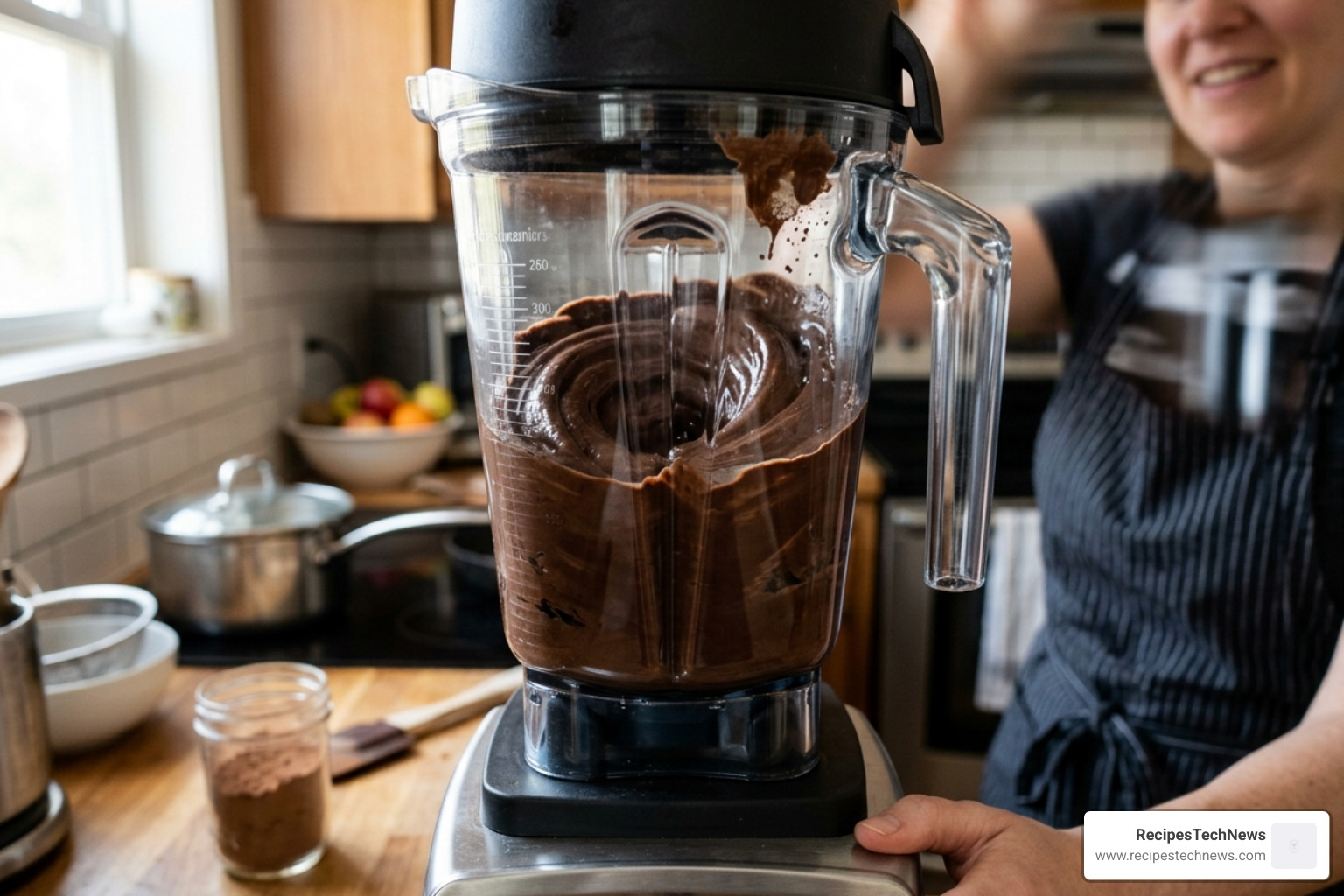
- Keto Hacks: You can create a rich Chocolate Keto Ice Cream by blending heavy cream, cocoa powder, and a powdered erythritol blend. This results in only about 5 Net Carbs per serving. The high fat content in the cream ensures it stays scoopable even when frozen hard.
- Vegan/Dairy-Free: Full-fat canned coconut milk is the ultimate dairy substitute. It provides the necessary saturated fats to mimic the mouthfeel of traditional cream.
- The “Hidden Veggie” Hack: This is a favorite for parents. You can add up to 1/2 cup of steamed and frozen cauliflower, carrots, or even baby spinach to a fruit-based blender ice cream. The strong flavors of cocoa or frozen strawberries completely mask the vegetables, making it a nutrient-dense treat.
For more dairy-free inspiration and no-churn success stories, visit No Churn Blender Ice Cream – Olivia’s Kitchen.
Troubleshooting Your Blender Ice Cream Hacks
Even with the best tech, things can go wrong. Here is how to fix common issues:
- My ice cream is grainy: This usually happens if the fruit wasn’t frozen solid or if there wasn’t enough fat. Try adding a tablespoon of nut butter or a splash more heavy cream.
- It’s a soup, not a scoop: You likely blended for too long. Friction creates heat. Stop blending the moment the “four mounds” appear.
- It’s a rock in the freezer: Homemade ice cream lacks the stabilizers found in commercial tubs. Let it sit on the counter for 10-15 minutes before trying to scoop it.
- The motor smells like it’s burning: Your mixture is too dry. Add liquid one tablespoon at a time until the blades can move.
Frequently Asked Questions about Blender Ice Cream
Can I make blender ice cream without bananas?
Absolutely. While bananas provide a great texture, you can use frozen mango, peaches, or even frozen avocado for a creamy, neutral base. Another option is the “Ice Cube Hack” mentioned earlier, where you freeze a liquid dairy or coconut milk base into cubes first.
Why is my blender ice cream icy?
Iciness is caused by water. If you use low-fat milk or watery fruits (like fresh watermelon) without enough fat or sugar to interfere with the freezing process, you’ll get ice crystals. Stick to high-fat liquids and fiber-rich frozen fruits.
How long can I store blender ice cream in the freezer?
It is best enjoyed within the first 1 to 2 weeks for peak flavor and texture. However, if stored in a truly airtight container with plastic wrap pressed against the surface, it can last up to 3 months.
Conclusion
Mastering blender ice cream hacks is about reclaiming the joy of dessert through the technology already sitting on your counter. At RecipesTechNews, we believe that you shouldn’t need a professional kitchen to enjoy professional-grade treats. By understanding the balance of fat, frozen structure, and blending speed, you can turn a few simple ingredients into a gourmet experience in less time than it takes to drive to the store.
Ready to try more tech-infused kitchen projects? Explore our full range of Recipes and stay tuned for the latest in gadget-driven lifestyle guides at https://www.recipestechnews.com/. Happy blending!